
About Us
Alma DoFado
About Us
Where Music Meets the Meal
& the Heart Finds a Home
At Almado Fado Alfama, we’re more than a restaurant — we’re a living tribute to the soul of Portugal. Nestled in the cobbled alleys of Alfama, Lisbon’s oldest and most soulful neighborhood, our space celebrates Fado, Portugal’s traditional music of longing, love, and life. At Almado Fado Alfama, we’re more than a restaurant — we’re a living tribute to the soul of Portugal. Nestled in the cobbled alleys of Alfama, Lisbon’s oldest and most soulful neighborhood, our space celebrates Fado, Portugal’s traditional music of longing, love, and life.


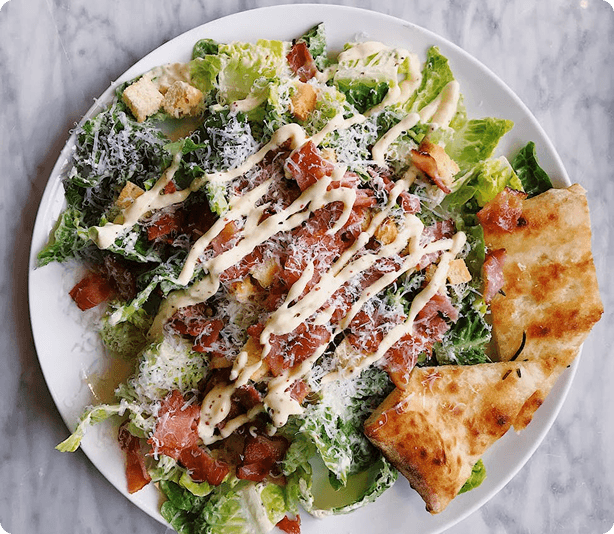
The Taste of Portugal
Sung Through Fado
At Almado Fado Al Fama, every dish is a note, and every evening tells a story. Inspired by the haunting beauty of Fado Portugal’s traditional soul music we blend heartfelt live performances with the warmth of family-style Portuguese dining. Set in the heart of Alfama, Lisbon’s oldest district, our candlelit space invites you to savor the flavors of bacalhau, pastéis de nata, and fine wines while being serenaded by the voice of a fadista and the gentle strum of the guitarra portuguesa.


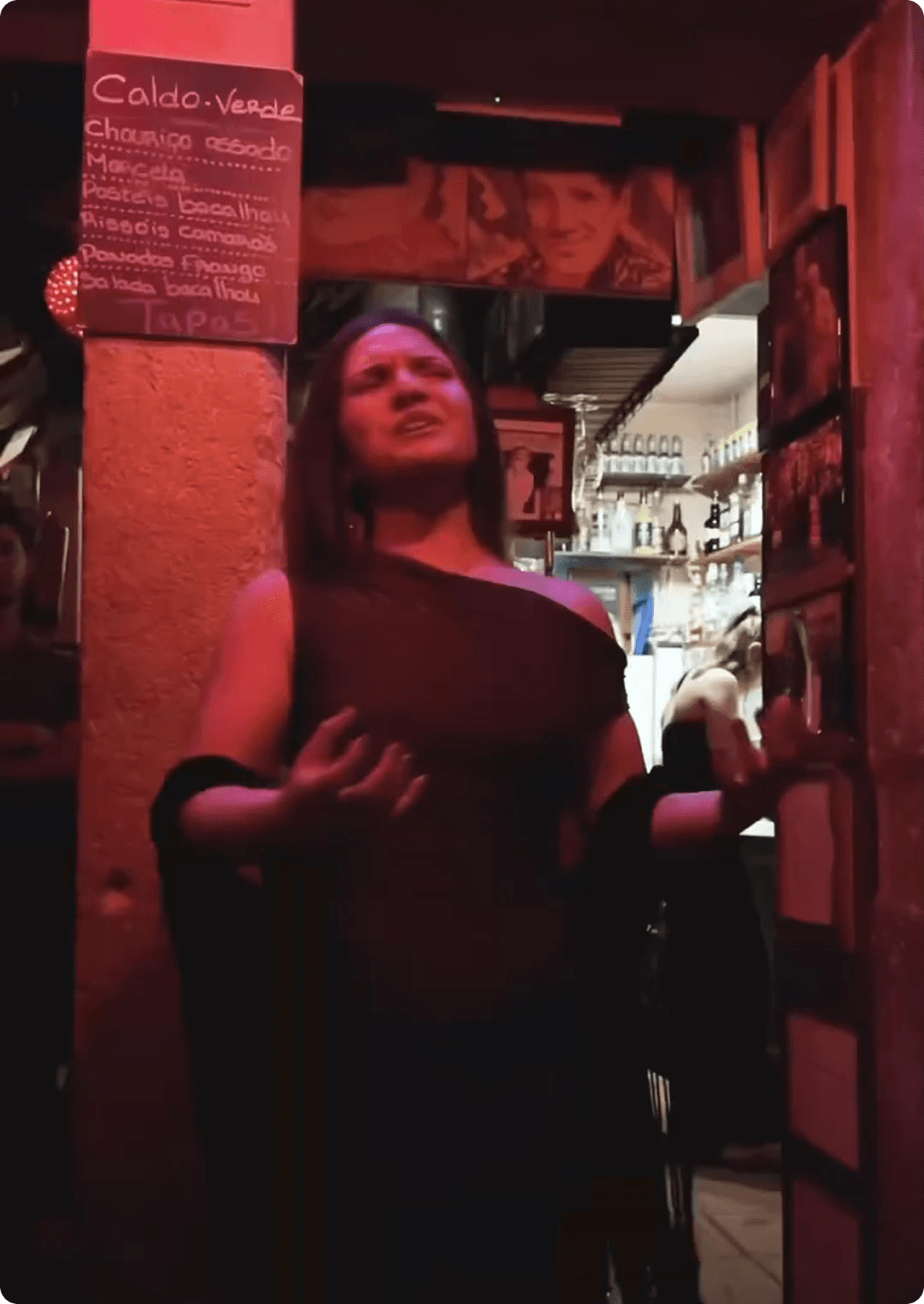
Live Entertainment with
Fado Music
Fado (Portuguese pronunciation: [ˈfaðu]; 'destiny, fate') is a music genre which can be traced to the 1820s in Lisbon, Portugal, but probably has much earlier origins. Fado historian and scholar Rui Vieira Nery states that 'the only reliable information on the history of fado was orally transmitted and goes back to the 1820s and 1830s at best. But even that information was frequently modified within the generational transmission process that made it reach us today.'
1. Live Entertainment
Fado typically employs the Dorian mode or Ionian mode sometimes switching between the two during a melody or verse change. A particular stylistic trait of fado is the use of rubato, where the music pauses at the end of a phrase and the singer holds the note for dramatic effect.
2. Learning with Live Singer
Fado (Portuguese pronunciation is a music genre which can be traced to the 1820s in Lisbon, Portugal, but probably has much earlier origins. Fado historian and scholar Rui Vieira Nery states that the only reliable information on the history of fado was orally transmitted and goes back to the 1820s a nd 1830s at best. But even that information was frequently modified within the generational transmission process that made it reach us today.
Our Team

Robert Fox
Head Chef

Robert Fox
Head Chef

Robert Fox
Head Chef
Robert Fox
Head Chef